Women-led travel in Africa is not a trend for us. It is a lens through which we are rethinking what tourism can truly become when it is designed with intention, equity and long-term community benefit.
For a long time, the tourism industry has been shaped by systems that did not always reflect the full diversity of the people who sustain it. Yet across Kenya, women have consistently held critical roles in hospitality, guiding, conservation, cultural preservation and community enterprise, often without proportional visibility or influence in decision-making spaces.
This is beginning to shift.
The formation and full licensing of the Kenya Association of Women Guides under the Tourism Regulatory Authority marks an important milestone in this evolution. It signals not only formal recognition, but also a growing acknowledgment that women must be fully integrated into the professional architecture of guiding and tourism leadership.
Historically, however, the path has not been straightforward.
Many women entering tourism and guiding have navigated systems that were not designed with them in mind. Accommodation structures on safari circuits, field logistics, and operational environments have often assumed a predominantly male workforce. This has meant limited consideration for realities such as safe and appropriate lodging arrangements, family responsibilities, maternal health needs, lactation spaces, or structured parental leave systems within informal and seasonal tourism work.
Beyond structural gaps, there has also been the quieter challenge of cultural perception. Women working in guiding and field-based tourism roles have, at times, had to negotiate assumptions about capability, authority and professionalism in environments where leadership has historically been male-dominated. These are not isolated experiences, but reflections of broader systemic design issues within the sector.
And yet, despite these barriers, women have remained central to the evolution of tourism in Kenya.
At Halisi Africa Discoveries, we are increasingly aligned with the belief that women-led travel is not a niche offering, but a more accurate reflection of how tourism functions at community level. In many regions, from Laikipia and Samburu to conservation landscapes across the country, women are already integral to visitor experiences as guides, hosts, cultural custodians, entrepreneurs and community leaders.
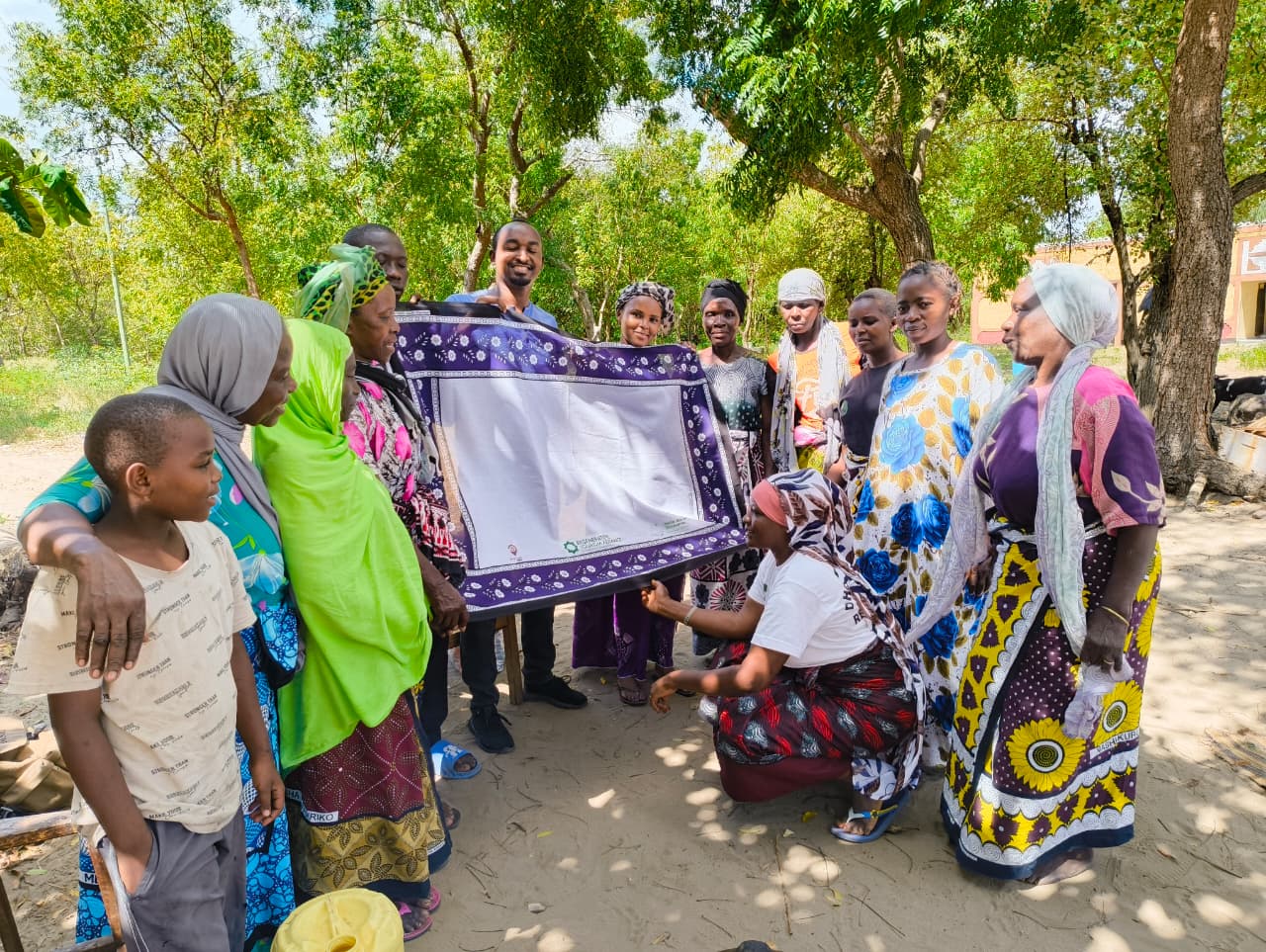
Across Laikipia North, women’s groups continue to build resilient community economies through craft, cultural exchange and conservation-linked tourism. These systems do not exist in isolation. They are part of a wider shift toward more inclusive models of value creation within tourism.
This is where regenerative travel becomes meaningful.
It asks us to move beyond tourism as consumption, and instead understand it as a relational system between people, place and purpose. In this framework, inclusion is not symbolic. It is structural. It shapes who participates, who benefits, and who is supported to grow within the industry over time.
As we design journeys at Halisi Africa Discoveries, we are increasingly intentional about recognizing these realities. Not as peripheral considerations, but as essential components of how meaningful travel experiences are created and sustained.
We believe women-led travel ultimately requires honesty about the past, clarity about the present, and responsibility toward the future. It asks us to acknowledge where systems have excluded, while actively participating in shaping models that are more equitable, more supportive and more reflective of lived realities.
This is the future of travel we are building toward. One where women are not only present within tourism, but fully supported, fully recognized and fully embedded within its design, leadership and evolution.